Studio Notes / Bead size
Choosing your bracelet
6, 8, 10 or 12 mm?
Choose the bead size you want to wear.
Choose a bead scale that suits your clothes, your other jewellery and the way you spend your day. Then match the finished bracelet to your measured wrist.
A crystal bracelet’s bead size is the diameter of an individual bead. The finished bracelet has a separate wrist size. A 6mm strand can be made for a large wrist; a 12mm strand can be made for a smaller one. Choose the bead scale for the look, and the finished size for your wrist.
How big is a 6mm or 8mm bead?
A nominal 6mm bead is 6 millimetres (0.6 centimetres) across; a nominal 8mm bead is 8 millimetres (0.8 centimetres) across. Use those diameters to picture the size of one bead.
Use a ruler to compare those distances on your hand, then check the finished bracelet’s listed size against your wrist measurement.
What changes from 6mm to 12mm?
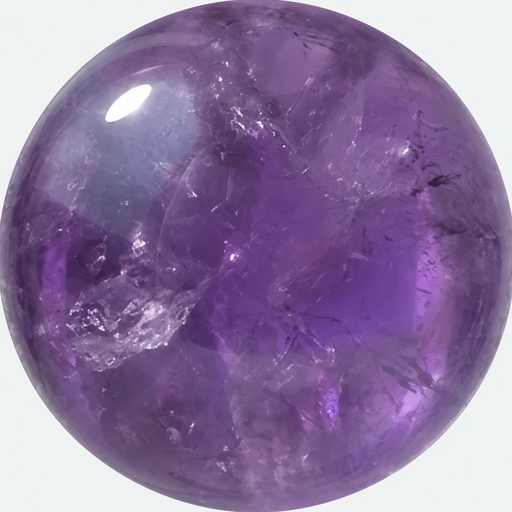 6 mm
Relative bead diameters, not life-size. The illustration scales with your screen.
A 12mm bead is twice as wide as a 6mm bead. At the same wrist setting, larger round beads also leave fewer positions around the strand. For the feel on your wrist, compare the stone, shape and finished construction as well as the bead diameter.
| Bead size | Start here if you want… | Check before choosing |
|---|---|---|
| 6 mm | A finer, less prominent strand | Whether you want more visible stone detail |
| 8 mm | A middle scale between delicate and bold | How it sits beside your other jewellery |
| 10 mm | Individual beads that stand out more | The finished strand size and room at your wrist |
| 12 mm | Larger beads and more visible surfaces | Whether the larger profile suits daily wear |
Which piece gets the spotlight?
Choose one detail you want people to notice first. Bead scale can help the rest of the outfit fall into place.
Let the earrings lead
With intricate drops or sculptural hoops, try a finer line at the wrist. Our 6mm Strawberry Quartz bracelet gives you a smaller bead profile. Wear it on its own and see how the whole outfit feels.
Let the bracelet lead
With simple studs or small hoops, give the wrist a bolder focal point. Our 12mm Amethyst bracelet brings larger beads into view. Try it beside a plain sleeve so the stone and round bead shape can stand out.
With a patterned skirt, a bow neckline or holiday beadwork, try a smooth strand in one colour family and let the clothing detail lead. With warm brown and ivory, compare Red Tiger Eye; with cooler grey-blue, compare Silver Sheen Obsidian.
Check it with your sleeves in place: choose the wrist that stays visible, then bend your arm to see whether the beads have room beside the cuff and its trim.
Step back from the mirror, turn your wrist and keep the balance that feels like you.
Will larger crystal beads feel heavier?
Larger beads usually feel heavier when you compare the same stone and similar construction. An ideal solid 10mm sphere has about 1.95 times the volume of an 8mm sphere. That is a single-bead comparison; the finished strand’s weight also depends on its bead count and construction.
A strand of larger beads usually needs fewer beads for the same finished size. Stone density, drill holes, spacers and cord also affect its total weight. If you prefer less weight, compare smaller-bead options in the same material, then choose a finished size that suits your measured wrist.
Can I wear a crystal bracelet while typing or beside a watch?
Start with a 6mm strand for a finer line, or compare 8mm, 10mm and 12mm beads for a more noticeable presence. Try the bracelet with your watch and a usual workday outfit, then make these three checks.
1. Bend your wrist and use the watch. Check that you can reach its buttons or crown without a bead pressing against them. Turn your hand and watch how the strand moves.
2. Write, type and use your mouse as you normally would. Notice any part that presses against the desk, repeatedly knocks the case, or pushes the watch out of its usual position. If you use a desktop keyboard and a laptop in meetings, try both setups: the bracelet may touch a different surface. Try the bracelet on your other wrist if the two pieces keep interfering.
3. Pull on your usual sleeve. Check whether the cuff passes over both pieces freely. A larger bead can be visually appealing and still need more room beneath a fitted sleeve.
Choose the arrangement that works with your day: a smaller bead profile, the other wrist, or the bracelet worn after desk work. Keep the combination that lets you type, reach and move freely.
Give the pieces room to move without repeatedly knocking together, and follow your watch maker’s fitting instructions. For example, Apple's wearing guidance explains the skin contact its sensors need. Check your bracelet’s fit separately so both pieces work with the way you wear them.
Tell Studio how you plan to wear it
A personal design can begin with how you want to wear it. Use this starting sentence and add what matters to you:
I wear a watch most days and prefer a quieter bead profile. I want this bracelet to remind me to leave room for my own ideas.
In Need, describe your wearing preference and what matters to you. Enter your measured wrist in the wrist setting and choose the bead scale separately. Review the available stones at that scale, their explanation and your quote. For a finished bracelet, use the individual product’s size information below.
Wearing two crystal bracelets on the same wrist
Stacking means wearing separate bracelets together. A mixed-stone bracelet puts different stones on one strand. Choose which look you want before comparing designs.
Compare the bead scale. Start with a bracelet you already like. Add a smaller-bead strand for a finer line beside it, or compare similar diameters for a more even profile. Let the contrast or balance guide your choice.
Try your everyday movements. Bend your wrist, type and pull on your usual sleeve with both pieces on. Notice whether they bunch up, press against your hand or keep knocking together. Try one on each wrist if the combination gets in your way.
Check each bracelet's size. Compare each finished size with your measured wrist, then try the two together and check how they move. Follow the care requirements for each stone and cord. Read our bracelet care guide.
Measure your wrist, then choose the bead scale
Start with your measured wrist, then choose the bead scale you like. Measure your wrist first, then compare the listed wrist size for the exact strand: our 6mm Strawberry Quartz option is listed at 17cm, while its 8.5mm option is listed at 16cm. Compare the size listed for the exact option you want, along with its bead diameter.
For a custom combination, enter your actual wrist measurement separately from bead size in Studio, then review the design and current quote.
Four examples from our bracelets
Compare these four bracelets for bead profile, colour and visible stone detail. Each has its own listed size. Use the diameter illustration above to compare the size ratio, then open the product you like for its full details.

6 mm beads
A finer line
Small bead scale with more individual stones around the strand. A place to start if you want a bracelet to sit quietly beside a watch or another piece.
Strawberry quartz, 6mm option · listed wrist 17cm · $54 USD →
8 mm beads
A little more stone
More room to see colour and internal detail while keeping a relatively small bead profile. Try this scale if 6mm feels too delicate and 10mm feels too prominent.
Madagascar rose quartz, 8mm · supplier-listed wrist approx. 16cm · $61 USD →
10 mm beads
A clear presence
Each bead becomes more noticeable. A good scale to compare if you enjoy the stone itself being a visible part of the outfit.
Silver sheen obsidian, 10mm · $62 USD →
12 mm beads
Make room for the detail
Larger surfaces make the stone detail easier to notice. Consider how much room you like a bracelet to occupy, especially beside sleeves or a watch.
Amethyst, 12mm · $71 USD →Explore more bracelets by bead diameter
8mm or 10mm: what happens to the bead count?
In six completed Studio designs using clear quartz, a 17cm wrist setting used 25 beads at 8mm or 21 at 10mm. These Studio design examples show how the bead count changes with the chosen scale. See the complete wrist-size and bead-count comparison →
Choose size without losing the meaning
A birthday or a personal request gives a design its starting point. Bead size sets the physical scale of the strand; it does not make the meaning stronger or weaker. In the Studio you can choose your wrist setting and bead size before creating the result, then read the explanation for your actual design.
Already have a favourite look? Start with your birthday, what you need, or your own bead choices. The Studio offers 6, 8, 10, 12 and 16mm design settings. Review the materials available for your chosen size, then check the exact combination and current quote.
Measure the wrist separately
Wrap a soft tape measure around the wrist where the bracelet will sit. If you use a strip of paper, mark where the ends meet and measure it with a ruler. Follow our wrist measurement guide, then compare that measurement with the individual product’s size information.
Natural beads vary between pieces and batches; sample dimensions are estimates where stated. For help choosing a finished strand, send us the wrist measurement and product name before ordering.
A listing says “60mm.” Is that the bead size or bracelet size?
Ask what was measured. Bead diameter, bracelet inside diameter and circumference are different measurements, even when the listing uses millimetres. “60mm” without a label is not enough to confirm fit.
Measure your wrist itself, then compare it with that product’s stated sizing method. In the Studio, use your measured wrist circumference for the wrist setting, not a bracelet’s inside diameter.