Studio Notes / Material & appearance
Stone notes · Choosing the look
Moonstone bracelets: why the blue flash comes and goes
A pale bead can show blue without looking blue all day. Here is what to look for before you choose a moonstone bracelet.
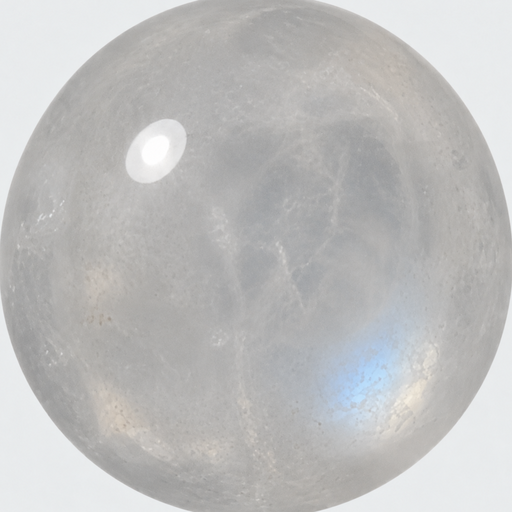 Blue MoonstoneA pale body with a local blue sheen
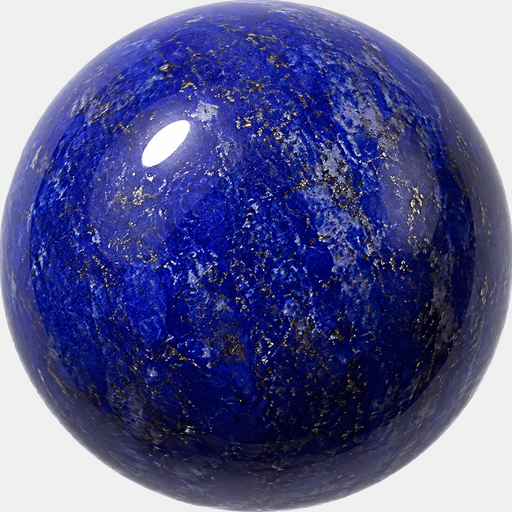 Lapis LazuliDeep blue across the bead's body
Look at the bead's base color first
Moonstone bracelets can look milky white, grey, peach or nearly colorless. Their sheen may be white, silver or blue. The base color and the sheen are two different parts of the appearance: a bead described as blue moonstone may have a pale body, with blue visible from particular directions.
The moving glow is commonly called adularescence. It comes from light interacting with fine internal layers. Change the light, the bead's position or your viewing angle, and the visible sheen can change. GIA's moonstone description explains this changing appearance. A bright photograph captures one of those moments.
Read the photo as one moment
Before buying, look for the bracelet's ordinary appearance as well as its strongest glow. A close-up can help you see a detail; a full-strand view helps you judge how much of the bracelet has that look.
A useful demonstration keeps the same bracelet in view while it turns slowly under a stated light. Separate pictures of different beads do not show how one bead changes. Our illustrations above are separate materials, and are not a demonstration of movement or the beads you will receive.
If the blue sheen is the reason you want the bracelet, ask how visible it is on the specific piece. GIA's quality guide treats the sheen's color and viewing range as things buyers assess. A single strong flash does not tell you how every bead looks.
What does “rainbow moonstone” mean?
Gem names can describe different feldspars. GIA explains that rainbow moonstone is a trade name used for a variety of labradorite. That name alone does not mean the material is an imitation, and a blue sheen alone does not establish its identity.
Ask what material the seller is describing and what supports that description. Color, a supplier name and a photograph have limits. A GIA review of optical effects explains why similar appearances can occur in different feldspars.
Is opalite another name for moonstone?
No. Moonstone is a feldspar. Beads sold as “opalite” can be manmade opalescent glass. Ask the seller for the material name, any recorded treatments and what supports those details. A blue glow or a photograph alone cannot identify the beads. Glass can be chosen for its appearance, but it should be described as glass.
Example material disclosure: opalite glass beads at Fire Mountain Gems.
Three useful questions before ordering
- What is the ordinary body color, away from the strongest sheen?
- Do the pictures or video show the specific bracelet, a batch reference or an illustration?
- What material, bead diameter and finished size are recorded for that piece?
Check any treatment information too. These questions help you understand an offer; they are not a home identification test. Our wrist measurement guide explains why a bead diameter such as 8 mm does not tell you which wrist a bracelet fits.
Choose the kind of blue you want to wear
A pale strand with a moving blue glow. Start with Blue Moonstone in Builder. Choose it if you enjoy a pale base with blue appearing as the light and viewing angle change. Find Blue Moonstone in the bead list, add your beads and compare the complete arrangement. Set your wrist measurement and bead diameter, then review the finished design and its current quote.
A finished bracelet with deep blue throughout. Explore our Lapis Lazuli Bracelet if you want blue to be the main visible color. Its deep-blue body gives a stronger color accent than moonstone’s pale base. Open the product page to see the complete strand, sizing details and current price.
See the finished lapis bracelet →
For a closer look at the material, compare its color and care in our lapis lazuli guide.
Care for the whole bracelet
Moonstone is 6–6.5 on the Mohs hardness scale and has poor toughness. A hard knock can break it, so take a bracelet off for tasks where it may strike a hard surface. GIA's care guide advises warm soapy water for the stone and rules out ultrasonic and steam cleaning.
A bracelet also has a cord and may contain other stones or fittings. Do not treat a loose-stone cleaning instruction as permission to soak the whole piece. Follow the care information for its full construction; our bracelet care page is the place to start.
Put the appearance beside your own reason
If you start from a need, describe both what matters to you and what you want to see. For example:
A small reminder to keep my own pace. Mostly pale beads with a subtle blue shimmer; I don't want a solid dark-blue bracelet.
Make the brief yours: name the stone you want, the base color you enjoy and how much of the bracelet you would like it to fill. Review the selected materials alongside the complete strand, the explanation, your measured-wrist setting and the current quote. Choose the design that feels like something you will enjoy wearing.
See how your words become a design brief, then start with your own words.